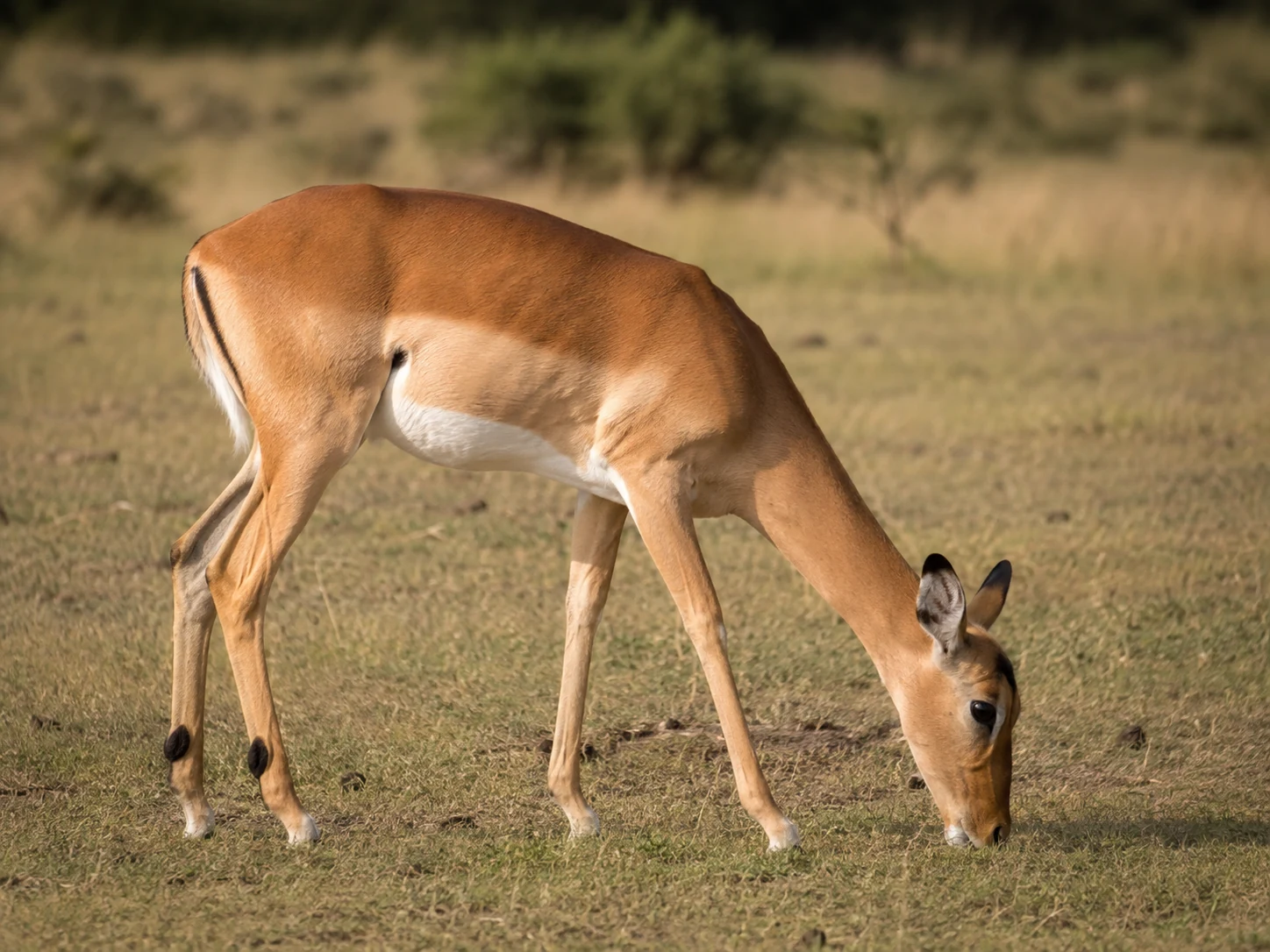
 Often seen around Marloth
Impala
↗Aepyceros melampus
First clue: Warm reddish-brown coat, pale underparts and a slim, athletic build.

MPC Wildlife Encyclopaedia · Field companion
Identify an animal, understand what its behaviour may mean and make a calm, respectful decision—whether you are at a Marloth home, beside the Crocodile River or on a Southern Kruger road.
Wildlife remains wild. Give every animal distance, choice and a clear escape route.
Safety guidance →Start from the situation
First-time visitors rarely begin with taxonomy. They begin with a place, a movement, a sound or a safety question.
Find common Marloth species and understand how much space to give them.
Compare river profiles and keep every water edge at a safe distance.
Use shape, posture and habitat to narrow the identification.
Read attention, alarm calls, spacing and movement without jumping to conclusions.
Launch field library
Regional labels separate wildlife commonly seen in residential Marloth from river-edge species and animals best searched for inside Kruger.
12 field guides shown
Often seen around MarlothAepyceros melampus
First clue: Warm reddish-brown coat, pale underparts and a slim, athletic build.
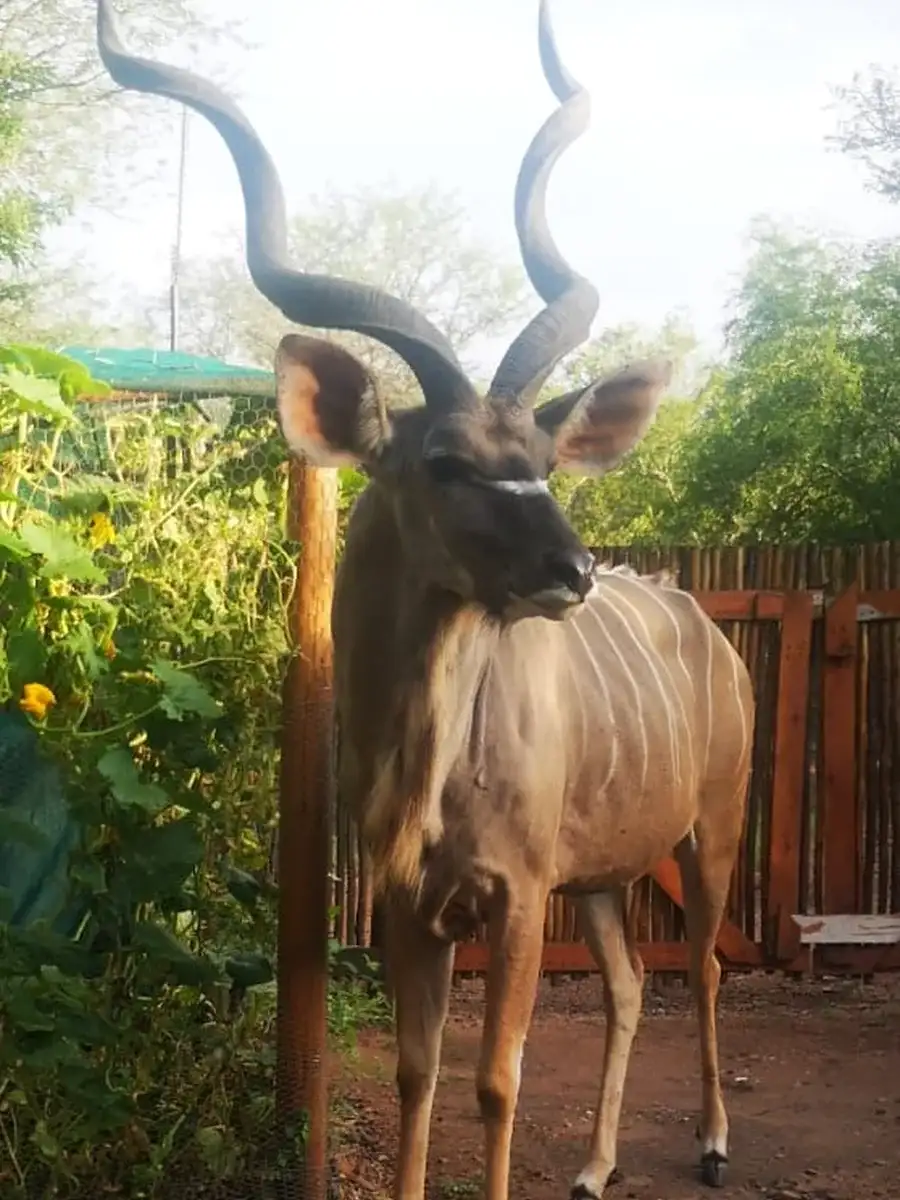 Often seen around Marloth
Tragelaphus strepsiceros
First clue: Grey-brown coat with several narrow white vertical stripes.
 Often seen around Marloth
Equus quagga
First clue: Bold black-and-white stripes extending onto the belly.
 Often seen around Marloth
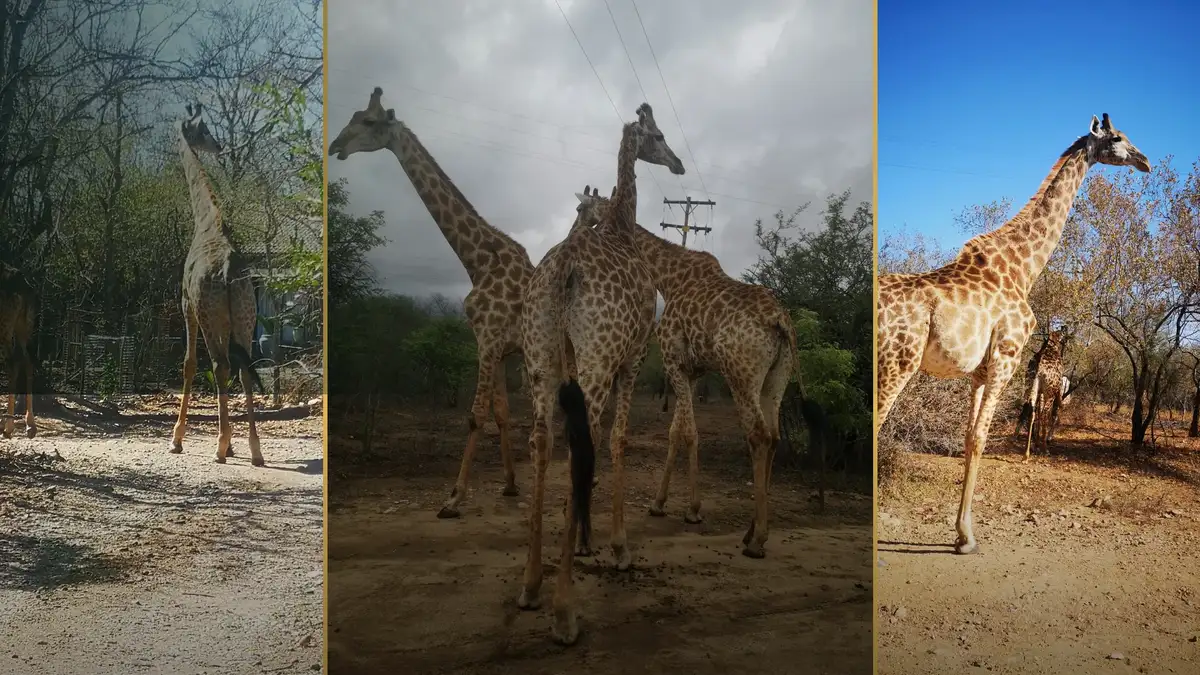
Giraffa camelopardalis
First clue: Extremely long neck and legs with an irregular brown patch pattern.
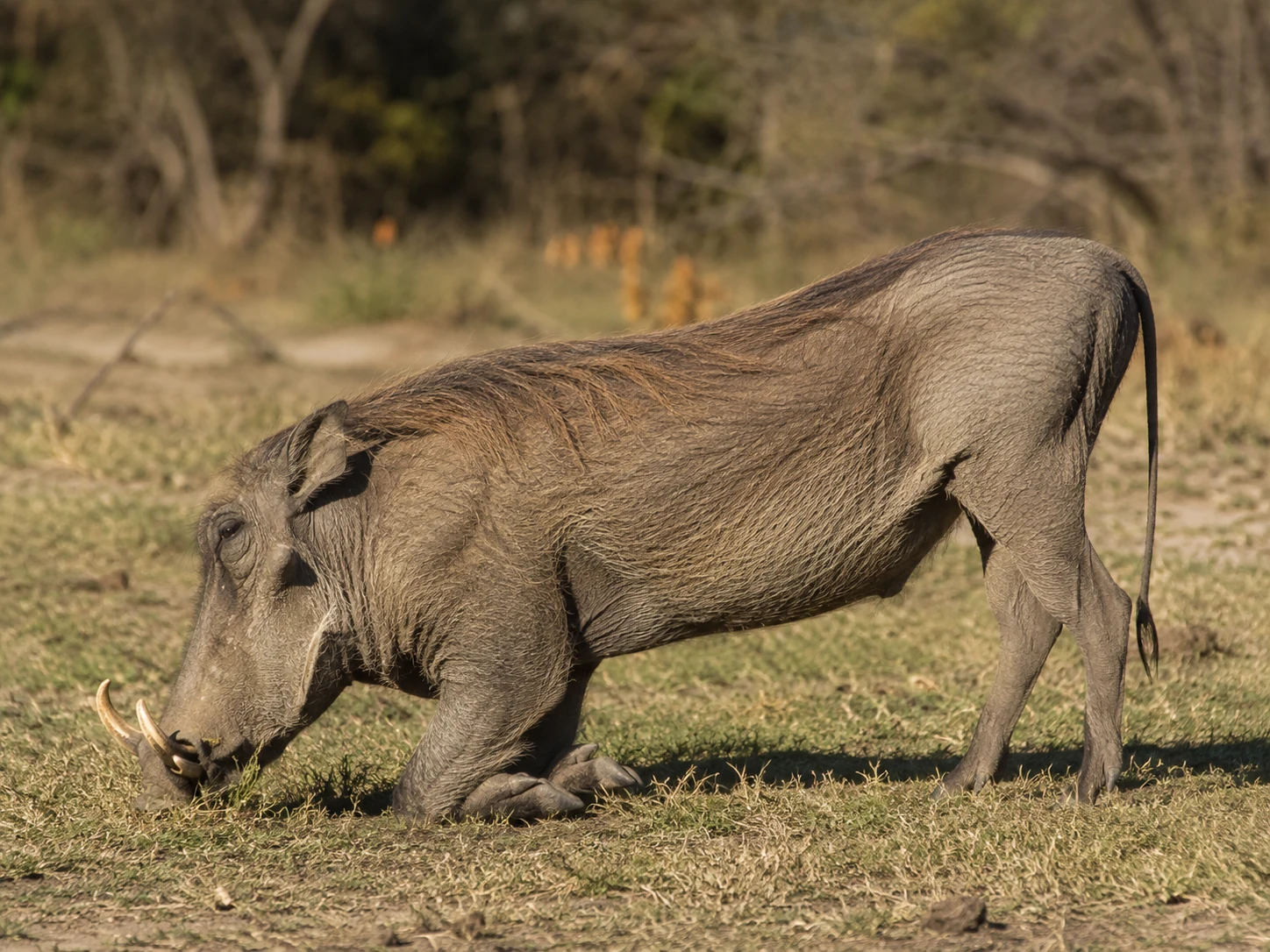 Often seen around Marloth
Phacochoerus africanus
First clue: Large head, facial warts, upward-curving tusks and a sparse mane.
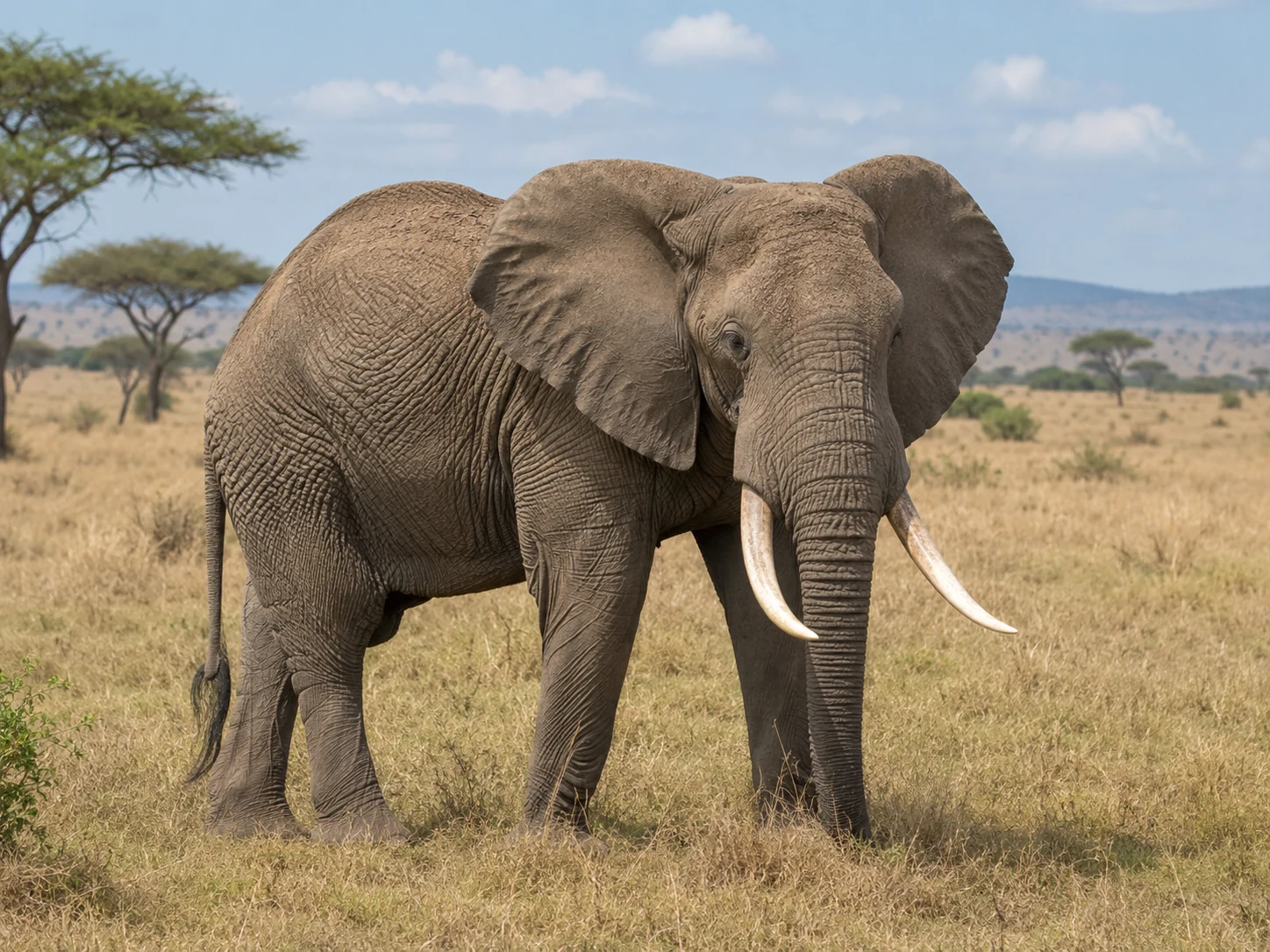 Best searched for in Kruger
Loxodonta africana
First clue: Very large body, column-like legs, trunk and broad African ears.
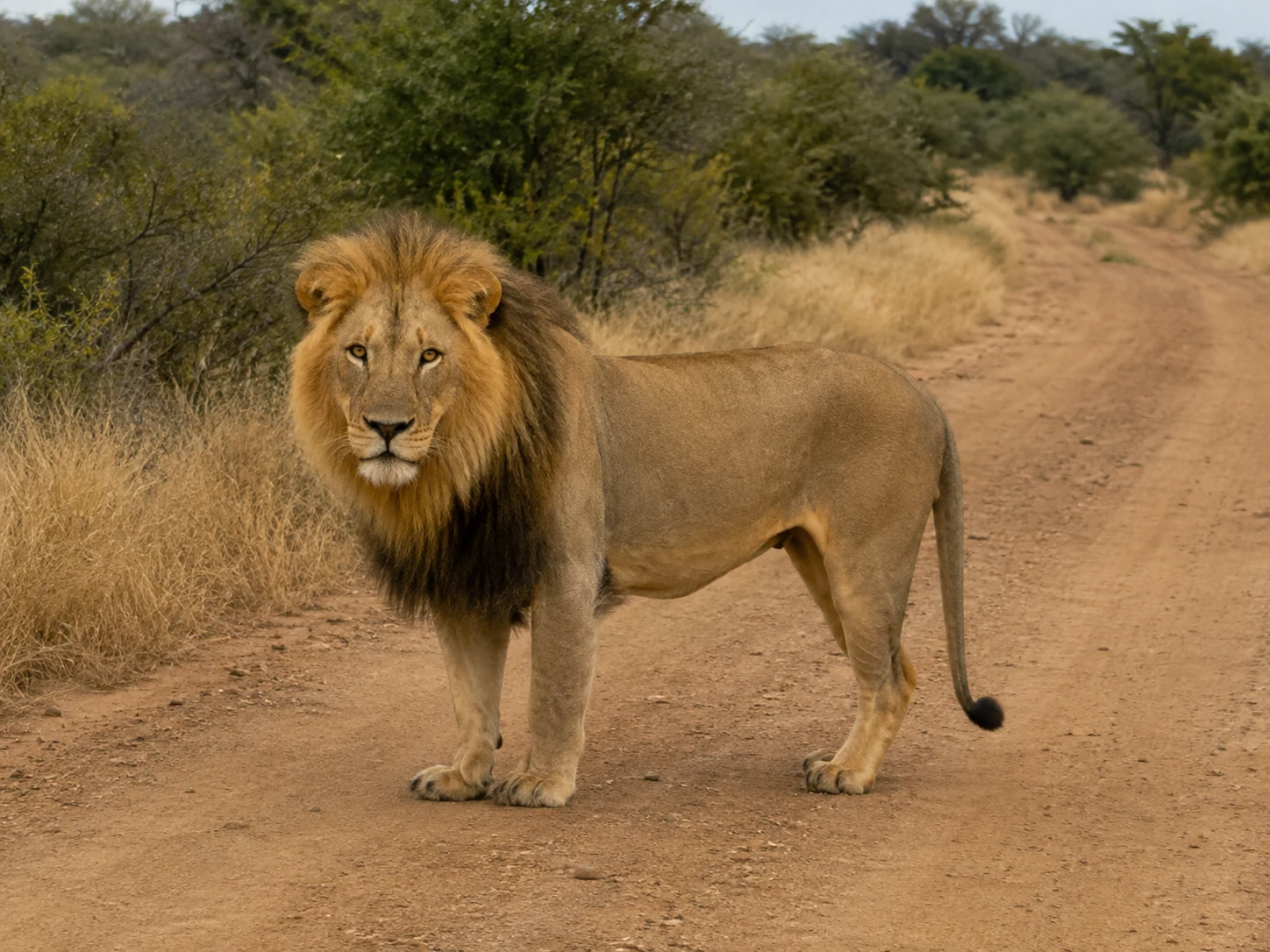 Best searched for in Kruger
Panthera leo
First clue: Large, powerfully built cat with a plain tawny coat.
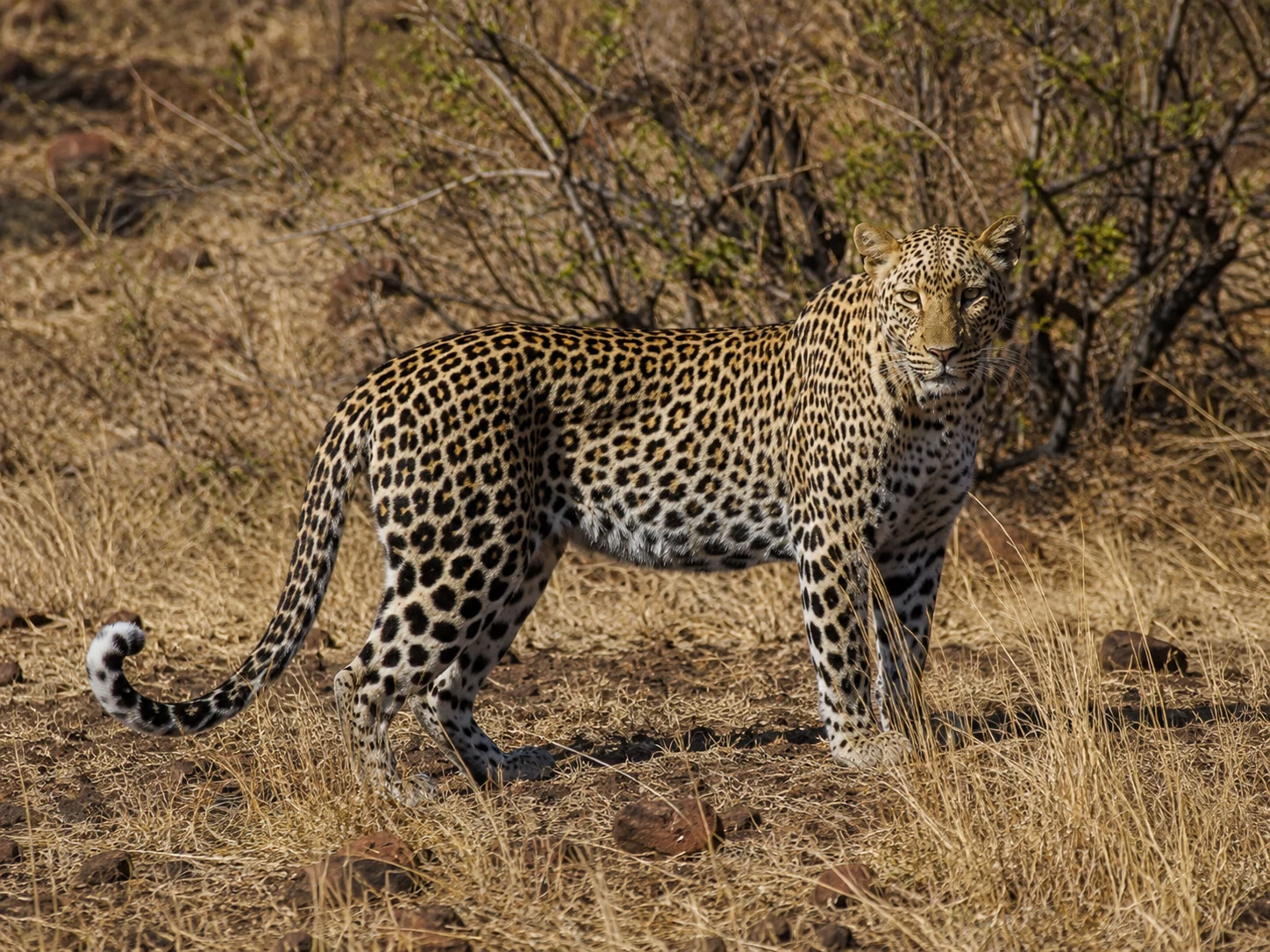 Best searched for in Kruger
Panthera pardus
First clue: Golden coat covered in dark rosettes; spots on the face and lower legs.
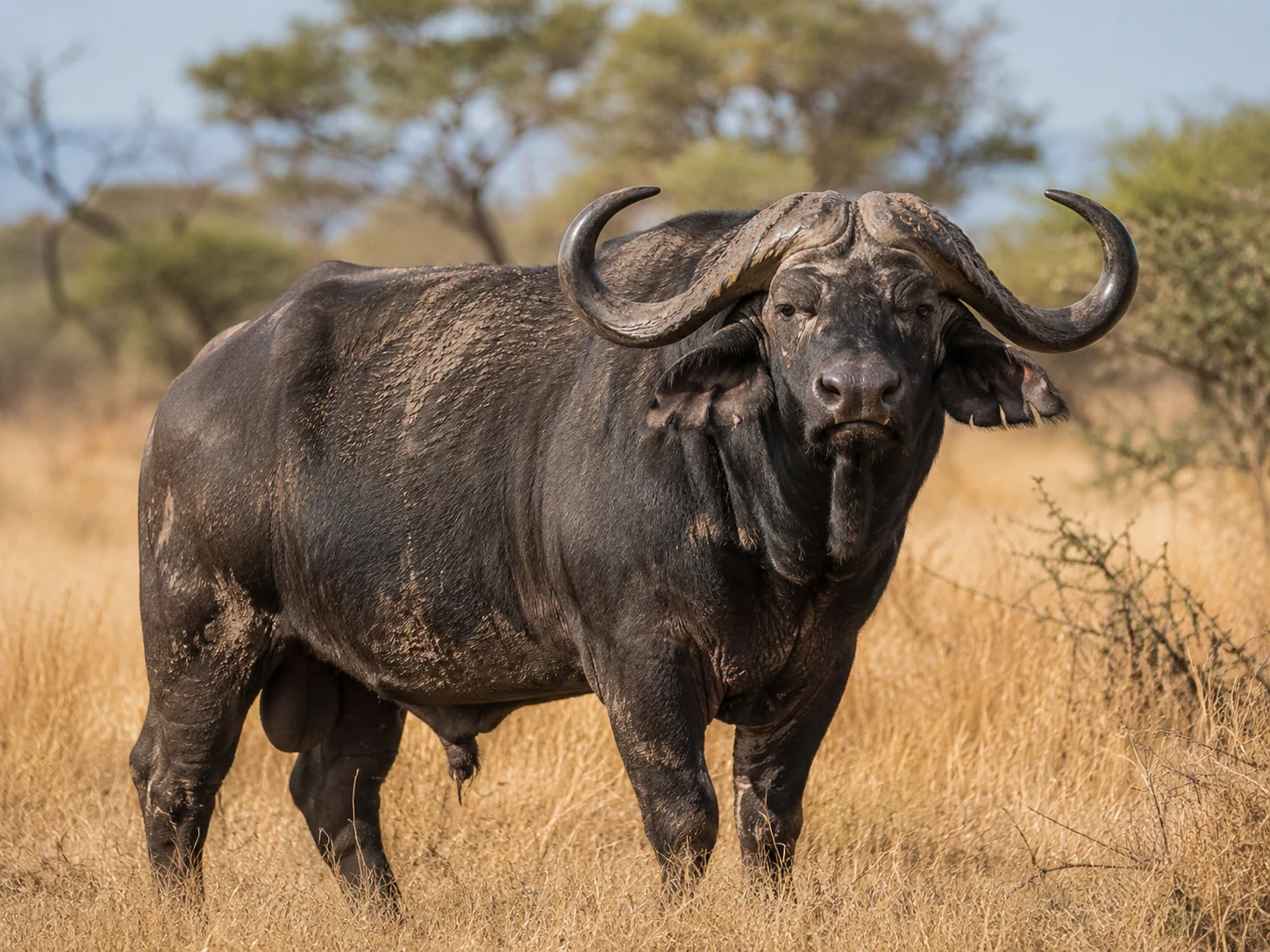 Best searched for in Kruger
Syncerus caffer
First clue: Heavy dark body, broad muzzle and large outward-curving horns.
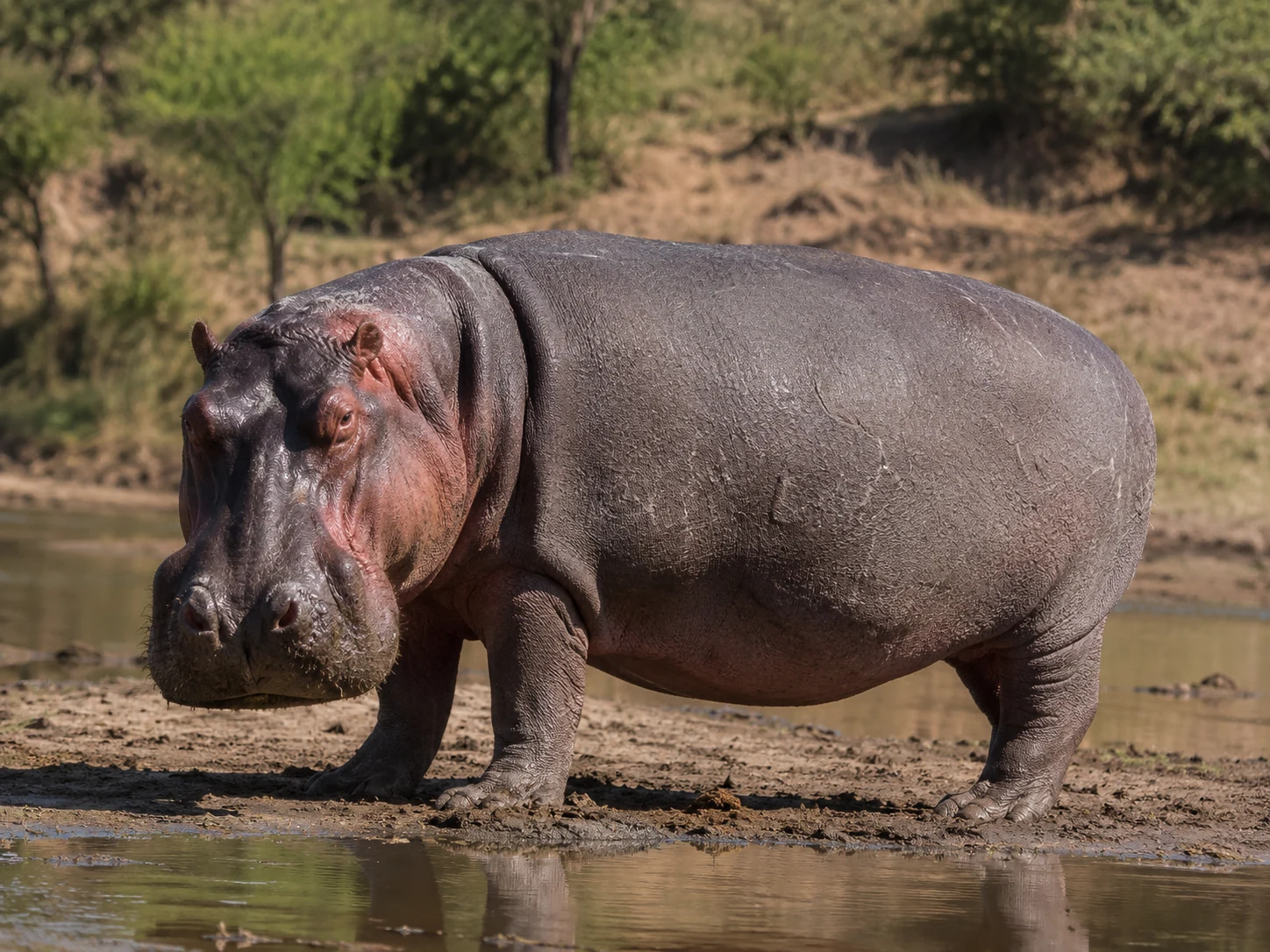 Crocodile River wildlife
Hippopotamus amphibius
First clue: Massive barrel-shaped body, short legs and a very broad head.
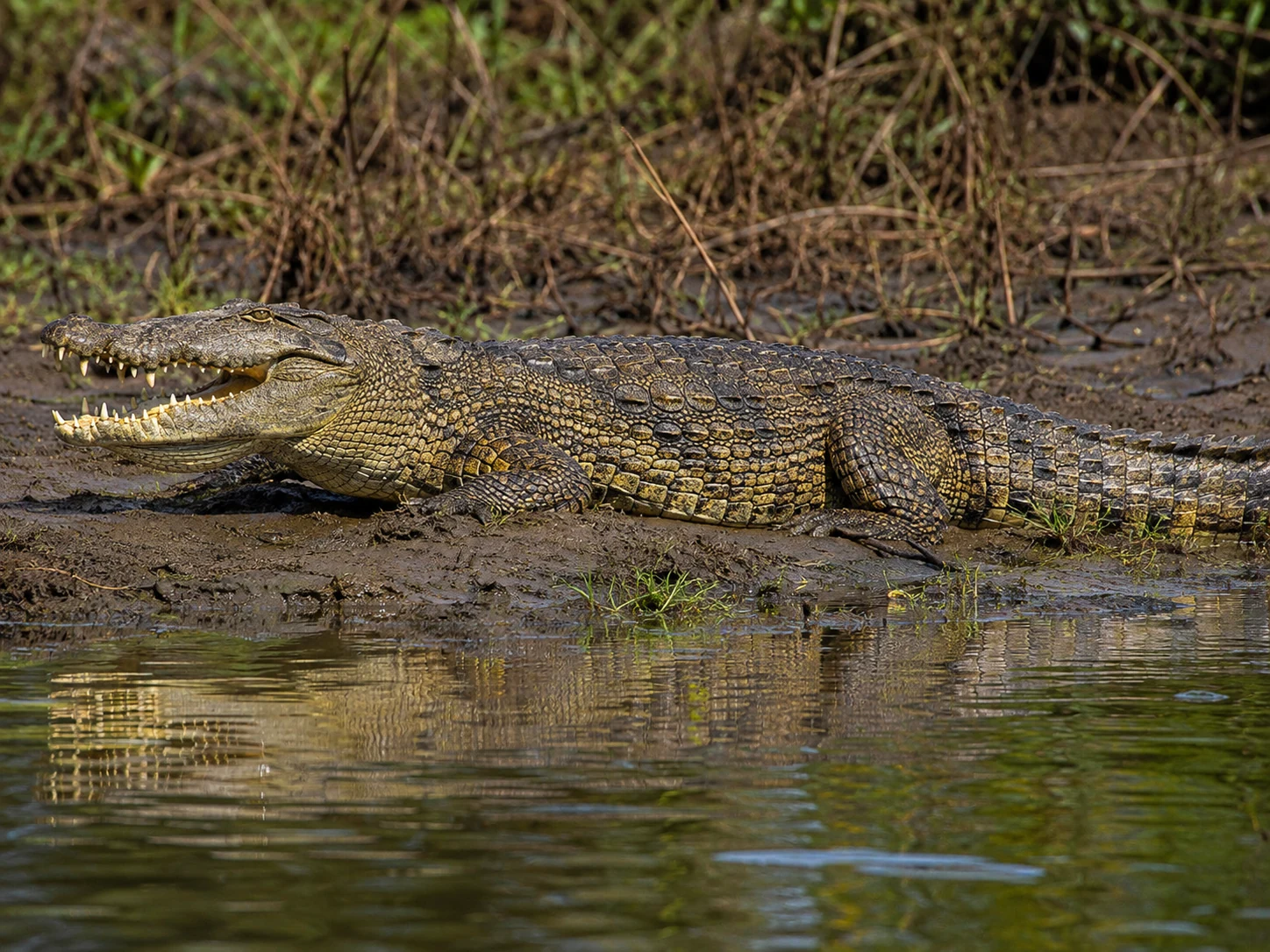 Crocodile River wildlife
Crocodylus niloticus
First clue: Long low body, armoured scales and a powerful tapering tail.
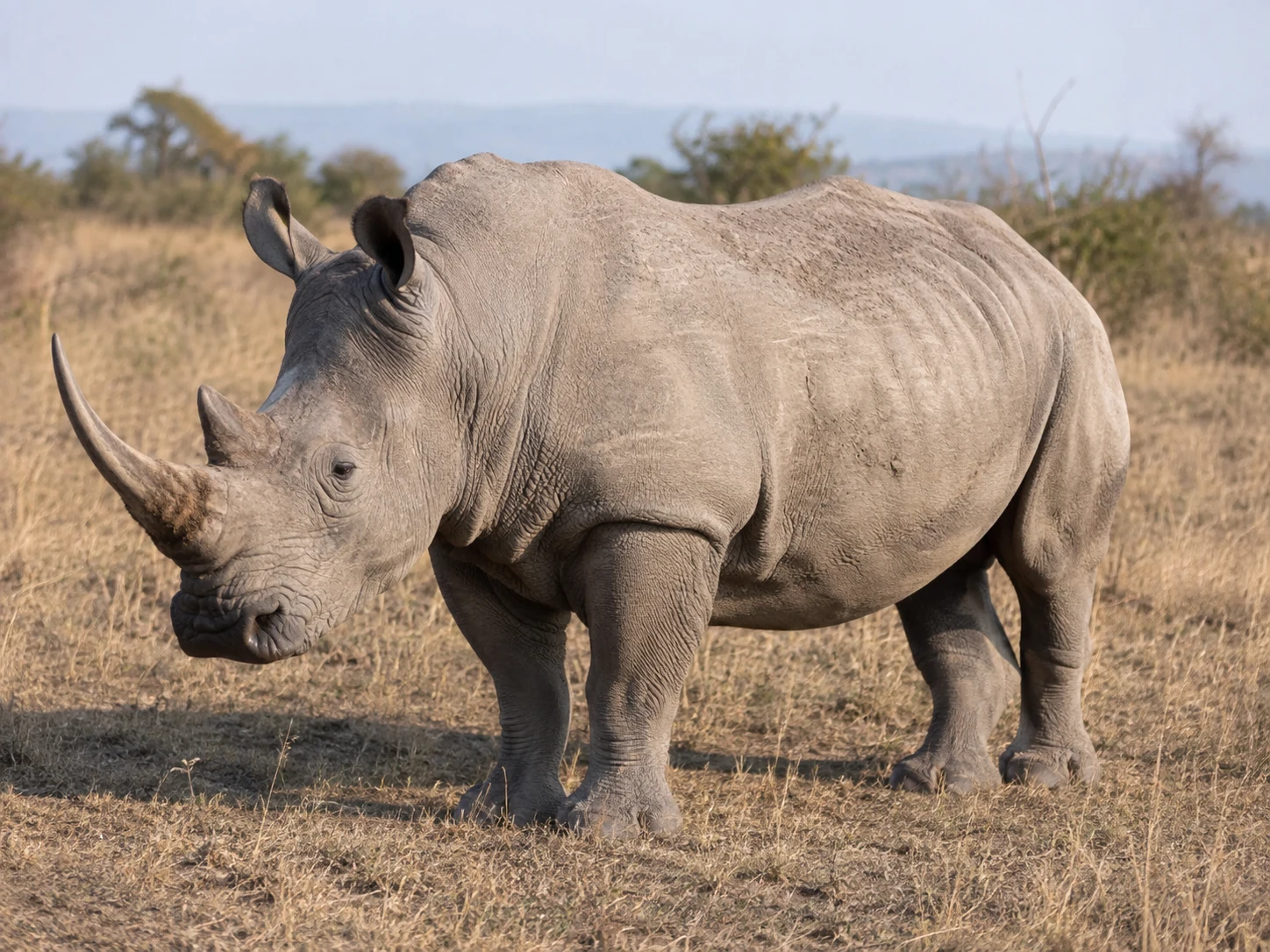 Best searched for in Kruger
Ceratotherium simum
First clue: Broad square upper lip adapted for grazing.
Try a broader clue such as “horns”, “herd”, “river” or “predator”.
A guide's mental sequence
Better observation creates confidence without creating false certainty.
Say what you can actually see: body shape, ear position, movement and group spacing.
Check a second clue. One mark, sound or posture can be misleading.
Use cautious language such as “alert”, “possibly” or “may be watching”.
Reduce noise, keep distance and avoid changing the animal's route.
Continue your field learning
Every next step should help you notice more, disturb less and make a better decision during the encounter.
Size, shape, horns, movement, habitat and local likelihood.

Read attention, spacing, feeding, alarm and social contact.

Use Route Atlas context without treating any route as a sighting promise.
Why visitors can trust this library
The encyclopaedia is designed to help visitors become independent observers—not to turn probability into promises.
Every page states whether the species is common, occasional, rare or not normally present around Marloth.
Facts are separated from field clues and cautious interpretation.
Photography and viewing guidance protects natural movement and behaviour.
Scientific and official park references remain visible on every species guide.
MPC visitor ecosystem
Continue to Route Atlas for habitat-aware planning, Junior Explorer for family learning or the mobile Companion for practical guidance during your stay.
Visitor feedback
Only genuine visitor submissions approved by MPC are published here.