The useful answer first
What you need to know
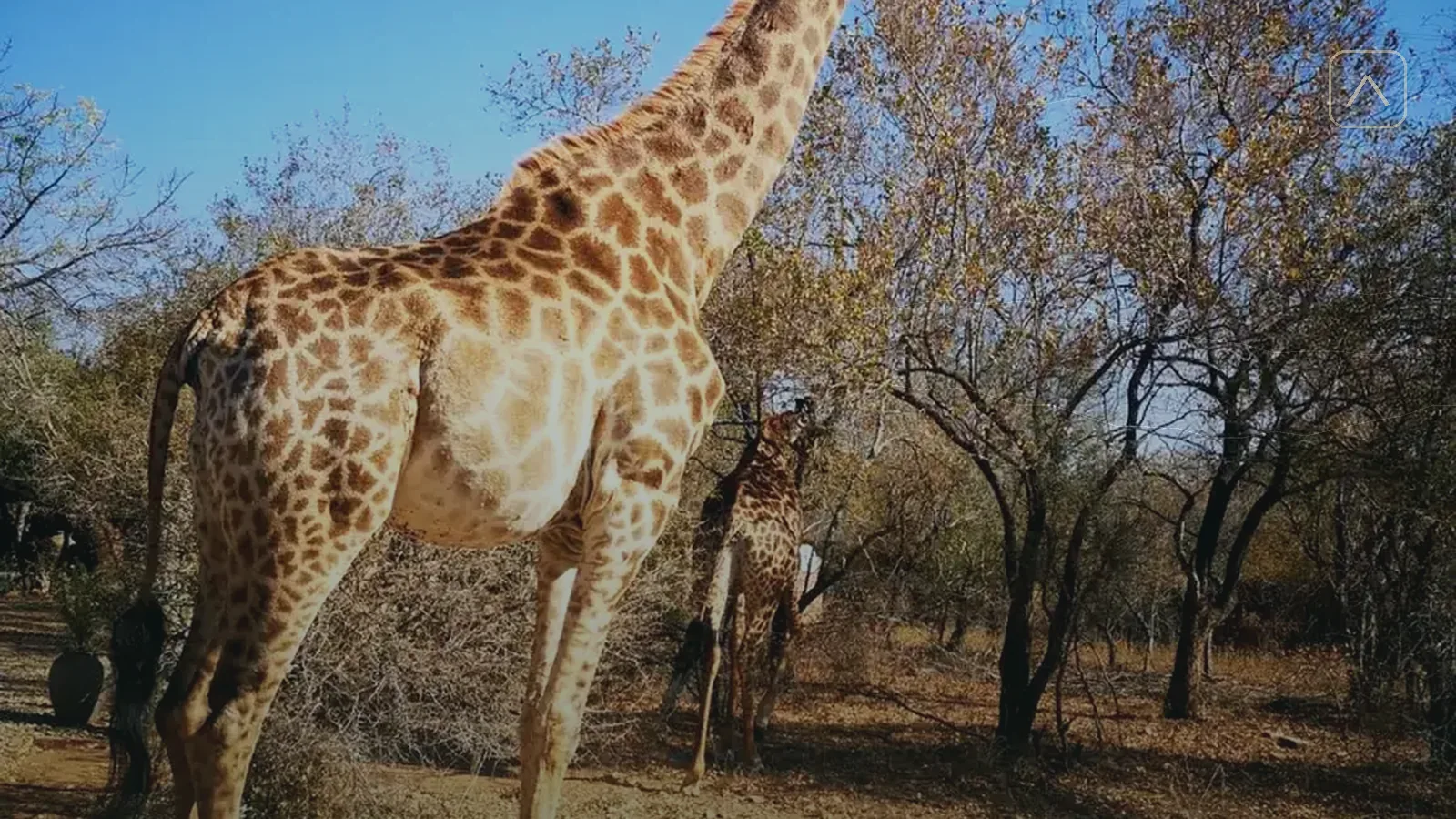
Winter in Marloth Park usually brings dry conditions, cool to cold mornings and warm afternoons. Thinner vegetation can improve visibility and wildlife may concentrate around dependable water, but early open-vehicle drives can feel much colder than the forecast. Pack real layers, protect skin and hydration, choose accommodation with comfortable winter sleeping arrangements, and check monthly gate hours because the legal safari day becomes shorter.
Winter compresses the safari day and expands the temperature range
A winter morning can begin with jackets, blankets and cold fingers, then become warm enough for short sleeves before lunch. This range makes layering essential. It also changes the itinerary because gate opening and closing times are seasonally adjusted.
The dry landscape can appear harsh to first-time visitors, yet it reveals structure. Paths, riverbeds and animal movement become easier to read. The bush is not empty; it is conserving energy and using dependable resources.
- Morning
- Cold start, low light and active wildlife opportunities
- Midday
- Warm sun and animals seeking shade or water
- Afternoon
- Shorter route window before gate closing
- Night
- Cool accommodation and strong need for warm bedding
Pack one genuinely warm layer instead of several decorative ones
A fleece under a wind-resistant jacket works better than a stack of thin fashion items on an open vehicle. Add a beanie, scarf or buff and warm socks. Gloves can help photographers and older travellers. Pack layers where they can be reached in the vehicle rather than inside luggage.
Sun protection still matters. Dry air and wind can dehydrate skin and lips, while bright winter sun creates exposure even on cool days. Carry water and apply sunblock after removing layers.
- Warm outer layer and fleece
- Beanie, buff and optional gloves
- Closed shoes and warm socks
- Lip balm and moisturiser
- Sunblock, hat and water
- Blanket for open guided drives
Use visibility and water without treating them as guarantees
Thinner vegetation makes scanning easier, and animals may visit permanent water more predictably. Spend time at river views and waterholes where stopping is permitted, but avoid waiting so long that the route becomes a single-location gamble.
Cold mornings can delay some activity while sunny patches attract reptiles and smaller animals later. Read the whole day. A quiet dawn does not predict the afternoon, and one dry water point does not invalidate the region.
Winter helps the eye travel farther, but patience still determines what the eye notices.
Plan shorter loops around the monthly gate timetable
Winter gate hours reduce the legal day compared with parts of summer. Check the official page for the exact month and confirm again before departure. A route that worked in December may not fit in June.
Build the afternoon backwards. Leave the final major stop early enough for a slow sighting and possible traffic. The cold start can tempt visitors to enter later, but that choice should be deliberate because the return deadline remains fixed.
Confirm winter comfort before booking the prettiest open-plan property
Large open living areas and outdoor showers can feel different on a cold night. Ask about warm bedding, bedroom heating, bathroom enclosure and whether hot water remains dependable. A fireplace may be attractive but should not be the only practical heat source.
Also consider morning logistics. A protected coffee area, easy vehicle access and lighting that does not require walking far outside can make dawn departures more comfortable.
Prepare differently for an open guided vehicle
Open vehicles produce wind chill and expose passengers for several hours. Confirm whether blankets are supplied, what time pickup occurs and whether the operator recommends extra clothing. Dress before pickup rather than expecting to reorganise in the dark.
A guided drive can be rewarding in winter because guides interpret tracks and water use, but sightings remain uncertain. Choose the operator for expertise and safe conduct.
Use a winter routine that prevents cold from delaying every morning
Lay out clothing in the order it will be worn and place the outer layers in the vehicle. Prepare a flask, breakfast and document folder before bed. The group can then leave quietly without searching for gloves or debating whether the morning is cold enough for a jacket.
At the first stop, remove layers before sweating heavily and store them where they remain accessible for the return. Hydration is still necessary even when nobody feels thirsty. Dry air, coffee and hours in the vehicle can produce a headache that is wrongly blamed on the long route.
Back at the accommodation, reset the warm clothing immediately. A winter safari becomes tiring when every dawn begins with the same disorganised search.
- Layers arranged the previous night
- Hot drink and breakfast prepared
- Warm items stored accessibly
- Water consumed despite cool weather
- Clothing reset after each drive
Check before travelling
Official and practical planning links
Gate times, fees, road conditions, supplier availability and local operating details can change. Use these links as the final check before relying on any time-sensitive detail.
Quick clarifications
Frequently asked questions
How cold is Marloth Park in winter?
Conditions vary, but dawn and open-vehicle travel can feel cold even when afternoons are warm. Check the current forecast and pack layers.
Is winter the best time for wildlife?
Dry vegetation and water concentration can improve visibility, but no season guarantees sightings and winter has shorter gate hours.
Do I need heating at the accommodation?
Many visitors value warm bedding and a safe heating option for winter nights. Confirm what the property provides.
Can I still swim?
Sunny afternoons may feel warm, but pool temperature depends on weather, shade and whether the pool is heated.