The useful answer first
What you need to know
May to September is usually best for cooler, drier weather and easier wildlife visibility, while November to March offers lush scenery, dramatic skies, summer birding and newborn animals but brings heat, rain and higher malaria awareness. The best month depends on whether you prioritise comfortable driving, green landscapes, birdlife, family holidays or quieter travel.
There is no bad season—only a season that does not match your expectations
Marloth Park is a year-round destination, but the experience changes substantially. Winter mornings can be crisp, roads dusty and vegetation open. Summer can be intensely green, humid and alive with insects, frogs, migrant birds and storm light. Visitors who expect one season while booking another often mistake difference for disappointment.
- Best general wildlife visibility
- Dry season, especially later winter and early spring
- Best lush landscapes
- Summer rainy season
- Best migrant birding
- Warmer wet-season months
- Best cool driving comfort
- May to August, with cold early starts possible
May to September: cooler, drier and easier to scan
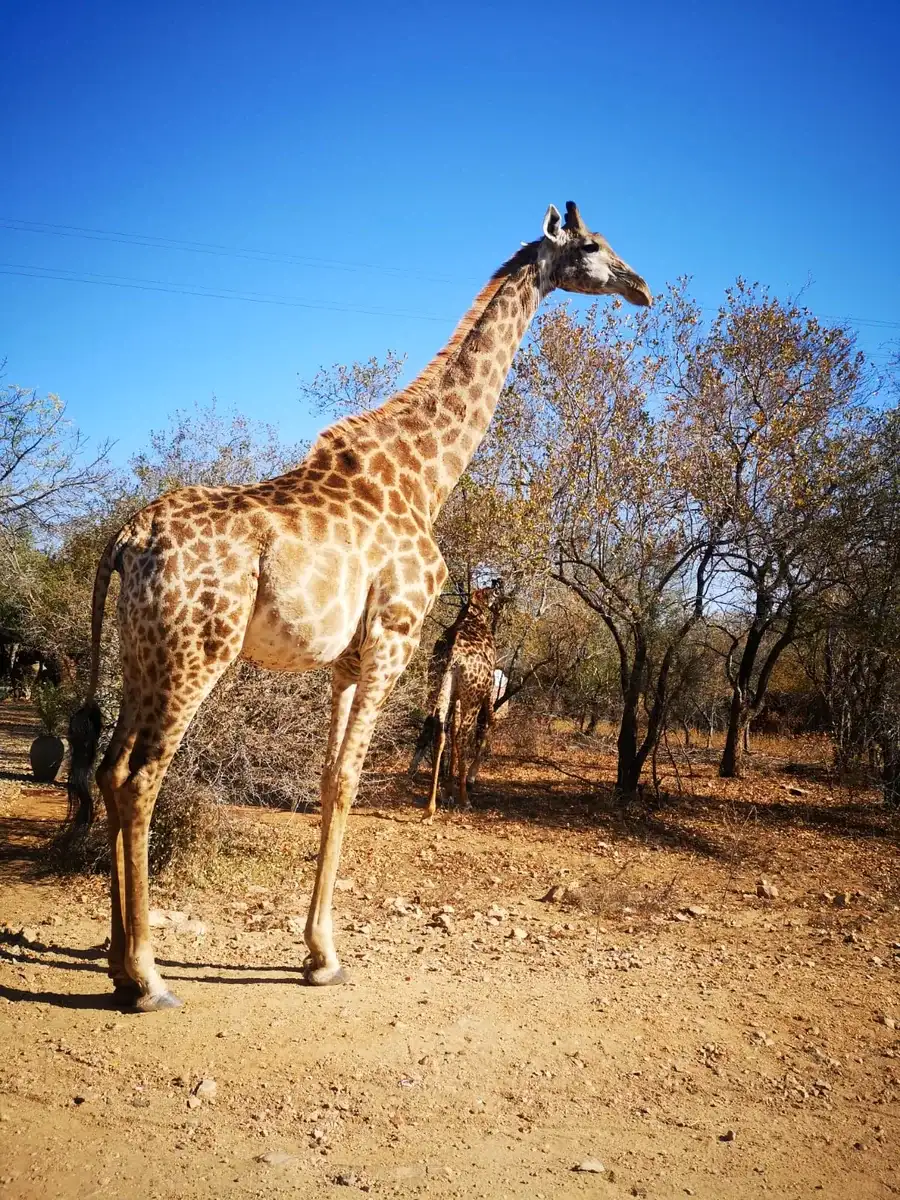
The dry season generally brings lower humidity, cooler nights and reduced vegetation. Animals may be easier to see through the bush, and water-dependent movement can become more concentrated. It is an excellent period for long self-drive days, especially for visitors who struggle in heat.
The trade-offs are dust, dry landscapes, colder open-vehicle drives and popular holiday periods. Early mornings may require a jacket, blanket and patience while the vehicle warms. By afternoon the temperature can still feel warm in direct sun.
- Pack layers rather than one heavy item.
- Carry lip balm, moisturiser and extra drinking water.
- Expect dust on cameras, shoes and vehicles.
- Book popular winter and school-holiday dates early.
- Do not assume dry vegetation guarantees predators.
October to March: green, dramatic and demanding
SANParks describes the main rainy season as October to March. Heat builds, thunderstorms can transform an afternoon and vegetation becomes dense. Wildlife may be harder to spot at distance, but the landscape is vivid and biologically active. Summer visitors gain migrant birds, young animals, flowers, insects and dramatic cloud systems.
Plan around heat rather than fighting it. Leave early, take a long midday break, carry more water than expected and avoid building a rigid schedule that collapses when rain changes a road or activity.
Marloth Park month by month
| Month | Likely character | Plan for |
|---|---|---|
| January | Hot, humid, green and storm-prone | Early activity, shade, hydration and holiday demand |
| February | Hot summer with dense vegetation | Flexible plans, insects and strong birding |
| March | Warm with summer conditions easing | Rain variability and later gate closing than winter |
| April | Transition toward drier, milder weather | Comfortable mixed conditions and holiday periods |
| May | Drying landscape and cooler nights | Layered clothing and excellent general comfort |
| June | Cool, dry winter conditions | Cold dawn drives, short daylight and early gate closure |
| July | Dry winter and popular family travel | Advance booking, dust and cold mornings |
| August | Dry, warming and increasingly open | Strong visibility, wind and dry vegetation |
| September | Hotter late dry season | Heat returning, concentrated water use and dust |
| October | First major heat and possible rains | Transition volatility and changing vegetation |
| November | Summer building, greener and humid | Malaria awareness, storms and migrant birds |
| December | Hot festive season with rain potential | Crowds, bookings, hydration and flexible routes |
Wildlife visibility and wildlife abundance are not the same thing
Dense summer vegetation can hide animals that are still present. Dry winter bush can make animals easier to see without increasing their number. This distinction matters because a quiet hour in green season is not evidence that the season is poor.
| Priority | Stronger season | Why |
|---|---|---|
| Long-distance mammal scanning | Dry season | Reduced foliage and more open sight lines |
| Migrant birds | Wet season | Summer visitors and increased insect activity |
| Green photography | Wet season | Lush colour, cloud and softer storm light |
| Dust-free tracks and textures | Wet season after rain | Wet soil records movement clearly |
| Cool full-day self-drives | Winter | Lower daytime heat and humidity |
| Young animals and breeding activity | Often summer | Seasonal births vary by species |
Avoid booking around one promised species. Wildlife movement responds to rainfall, water, food, disturbance and chance. Choose a season whose overall conditions you will enjoy even on a quiet sightings day.
Plan for malaria, heat and hydration with professional advice
Kruger and the surrounding Lowveld fall within a malaria-risk area. SANParks identifies November to April as the highest risk period and advises visitors to consult a doctor or travel clinic. Medical decisions are individual; a blog cannot determine whether medication is appropriate for you.
- Seek medical advice early enough to discuss prevention options.
- Use repellent according to its instructions.
- Wear suitable long clothing when mosquitoes are active.
- Use screens, nets or air-conditioning correctly where provided.
- Know that fever after travel requires prompt medical attention and travel-history disclosure.
- Carry water on every drive, even when the day looks cool.
Pack for the day's temperature range, not the month's reputation
| Period | Add | Do not forget |
|---|---|---|
| Cool dry months | Layers, warm hat, light gloves for open vehicles | Sun protection and water |
| Hot dry months | Breathable clothing, extra hydration, dust protection | A warm layer for early morning |
| Wet summer | Light rain shell, quick-dry clothing, insect protection | Waterproof bag for electronics |
| Any season | Closed shoes, torch, medication, chargers | Respectful neutral clothing and patience |
Build a small seasonal margin into every plan. Summer storms, winter cold fronts, road maintenance and unusually hot afternoons can alter a day without making the trip unsuccessful. A second route, one indoor reset and a flexible meal plan allow the group to respond without turning changing conditions into pressure.
Check before travelling
Official and practical planning links
Gate times, fees, road conditions, supplier availability and local operating details can change. Use these links as the final check before relying on any time-sensitive detail.
Quick clarifications
Frequently asked questions
What is the best month for wildlife viewing near Marloth Park?
Late dry-season months such as August and September often provide thinner vegetation and concentrated water-dependent wildlife, but sightings are never guaranteed and conditions vary annually.
Is summer too hot for Marloth Park?
Summer can be very hot and humid, especially around midday. It remains rewarding when visitors plan early starts, shaded rest, hydration and flexible afternoons.
When is malaria risk highest?
SANParks identifies November to April as the higher-risk period in the Kruger malaria area. Seek personalised medical advice before travel and use mosquito-bite prevention throughout the year.
When is Marloth Park busiest?
South African school holidays, long weekends, Easter and the festive season can increase accommodation demand, restaurant pressure and Kruger gate queues. Confirm current dates before booking.