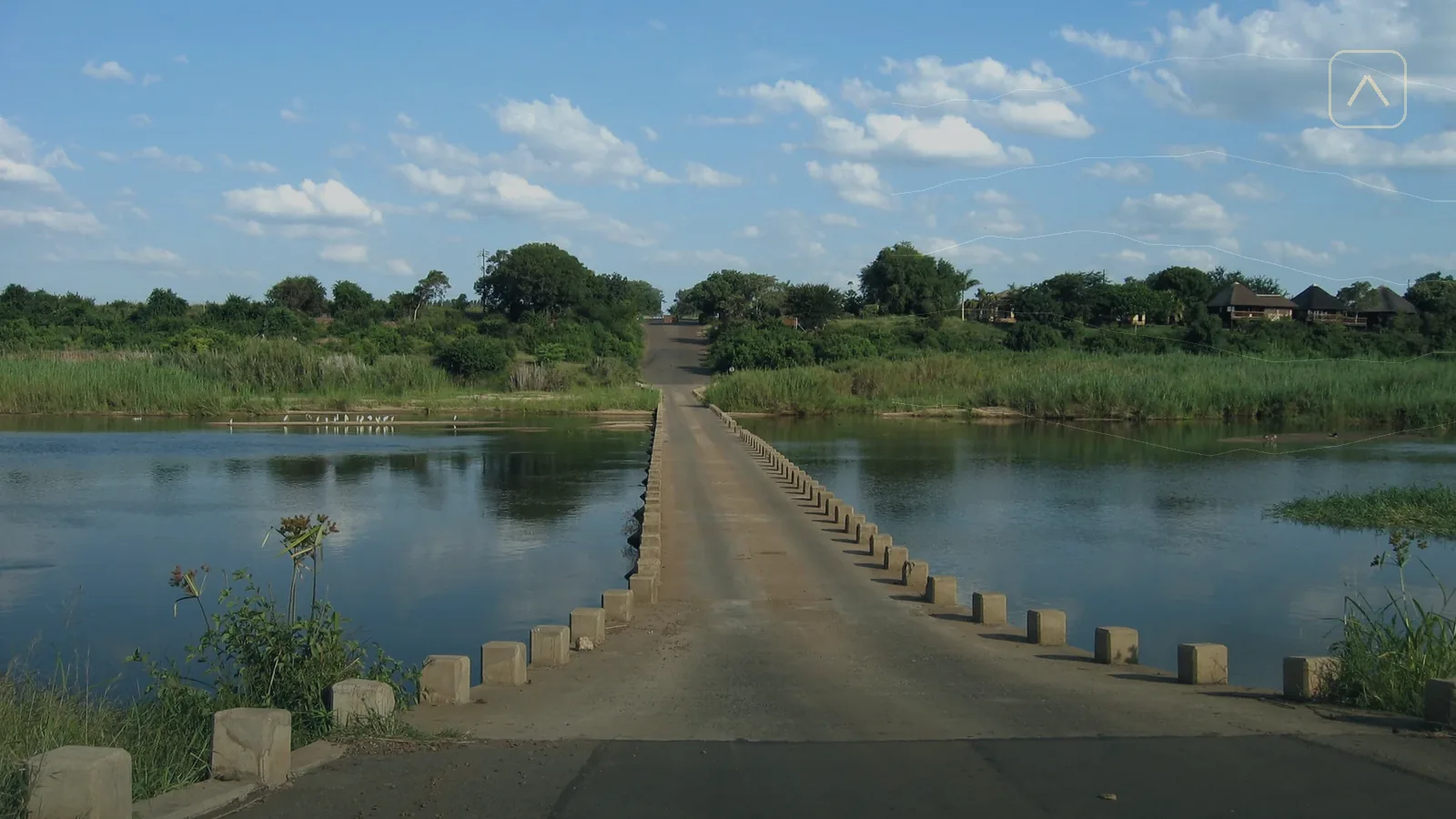
The useful answer first
What you need to know
Lower Sabie is a strong first full-day destination from Marloth Park because Crocodile Bridge provides direct access to the southern route and SANParks lists the camp about an hour from the gate under normal planning conditions. Wildlife stops can easily double that. Enter early, treat Lower Sabie as the anchor rather than the finish line, choose one return route, and begin the journey back with a generous gate-closing buffer.
Lower Sabie is an anchor that gives the day shape
A first safari day benefits from a destination with toilets, food options and a clear map position. Lower Sabie provides that structure while the road from Crocodile Bridge passes productive riverine and open habitats. The camp is not a guarantee of sightings; it is a practical point around which to organise time.
Do not interpret the official travel estimate as a promise. A herd across the road, a crowded cat sighting or simply driving at an observant pace changes everything. The route should still work when the outward leg takes twice as long as expected.
A safari route succeeds when it can absorb a great sighting without turning the rest of the day into a race.
Enter early with breakfast and documents already organised
Check the month’s gate time and arrive with identification, bookings and payment ready. Pack water and a light breakfast even when the plan includes a camp meal. The first hour should be spent observing, not negotiating who forgot the camera battery or where to buy coffee.
Keep the vehicle quiet and the windows clean. Assign one person to track time and route while the driver focuses on the road. If children are travelling, explain the first planned stop so the morning has a predictable rhythm.
- Gate time and reservation confirmed
- Fuel and tyre pressure checked
- Breakfast, water and medication packed
- Binoculars accessible to passengers
- Map or Route Atlas ready
- Return cut-off time written down
Let the outward leg remain flexible
The direct tar route is straightforward, but optional gravel roads can add habitat and reduce traffic. Choose only one diversion and decide in advance when to abandon it. Road conditions and closures may change, so follow signs and official notices.
At a good sighting, park safely and leave room for movement. Do not spend the entire morning waiting for an animal hidden in thick vegetation because another vehicle reported a better view earlier. Observe what is present, then continue when the group has stopped learning from the moment.
- Fastest plan
- Direct route with one or two short observation stops
- Balanced plan
- One gravel diversion, then Lower Sabie break
- Photography plan
- Slower direct route with fewer total kilometres
- Family plan
- Predictable stop, short diversion and early return
Use the Lower Sabie break to reset the entire day
Once at camp, everyone should leave the vehicle, use the facilities, drink water and reassess. Check the official map, current notices and the time. A long lunch may be exactly what the group needs, but it must be chosen consciously rather than allowed to consume the return buffer.
Look out over the river and enjoy the camp as part of the experience. Rest camps are not interruptions to the safari. They reveal a different scale of landscape and often provide excellent bird and animal observations from authorised areas.
Choose one return route and start sooner than feels necessary
The return can retrace the direct road or use an alternative approved route when conditions and time allow. Do not add a complicated loop because the morning felt quiet. Afternoon sightings can create the same delays as morning sightings, and the final kilometres often take longer when the group is tired.
Set a hard cut-off based on the gate closing time plus a safety buffer. If you reach the final decision point late, use the shorter road without debate. There will be another safari day; there may not be another safe margin.
A guided Lower Sabie day suits travellers who want interpretation over navigation
A guide can explain habitat transitions, tracks and behaviour while managing the time. This is valuable for first-time visitors and groups where everyone wants to watch. A private guided vehicle may also adapt the pace for photographers or children.
Confirm the actual route is not guaranteed, because guides must respond to conditions and sightings. Check pickup time, vehicle type, meals, entry fees and cancellation terms.
Adapt the Lower Sabie day to the people in the vehicle
Couples can spend longer at quiet sightings and use the camp as a relaxed lunch stop. Families should shorten the outward leg, carry familiar food and establish a predictable toilet break. Photographers may choose fewer roads and wait for light or behaviour, while first-time visitors benefit from the direct route before adding gravel alternatives.
Older travellers and anyone with limited mobility should confirm the ease of facilities and build more frequent breaks. The driver should not be the only person monitoring time; one passenger can manage the map and closing-time buffer. A route becomes safer when responsibility is shared.
Whichever version you choose, define success before the gate. It might be a calm first safari, river scenery, birding or learning animal behaviour. A route with a clear human purpose is less likely to collapse into chasing reports.
- Trip style chosen before entry
- Bathroom and meal stop agreed
- Driver supported by a navigator
- Optional road clearly marked
- Success defined without a sighting guarantee
Check before travelling
Official and practical planning links
Gate times, fees, road conditions, supplier availability and local operating details can change. Use these links as the final check before relying on any time-sensitive detail.
Quick clarifications
Frequently asked questions
How long does Crocodile Bridge to Lower Sabie take?
SANParks gives planning travel times, but sightings and traffic can make the real journey much longer. Never schedule from the minimum alone.
Is Lower Sabie suitable for a first Kruger day?
Yes. It offers a clear destination and facilities, provided the route remains flexible and the return begins early.
Can we continue to Skukuza on the same day?
It is possible in some itineraries, but it turns a balanced day into a long one. First-time visitors should usually choose Lower Sabie or Skukuza as the main anchor, not both.
Should we book breakfast at Lower Sabie?
Restaurant arrangements can change. Confirm current service and carry a backup breakfast or snacks.