The useful answer first
What you need to know
Summer in Marloth Park is hot, humid and dramatically green, with rainfall generally concentrated from October to March. Expect thunderstorms, thicker vegetation, active insects and excellent birding. Choose accommodation with reliable cooling and screened sleeping areas, schedule outdoor activity for early and late periods, carry water and rain protection, and check SANParks notifications because heavy weather can affect roads and access.
Summer is a different safari, not an inferior one
Rain transforms the Lowveld. Dust settles, grasses rise and trees produce new leaves. Visibility can become more difficult, but colour, cloud and life increase. Migrant birds arrive, insects trigger feeding activity and many animals use the abundance differently from winter.
Visitors disappointed by summer usually expected winter conditions. Replace the promise of long-distance visibility with close observation: tracks in soft ground, breeding behaviour, frogs after rain and the smell of wet bush. The season rewards curiosity and flexible planning.
A summer safari is less about seeing through the landscape and more about watching the landscape come alive.
Build the day around heat rather than fighting it
Start early, return or stop during the hottest period and use late afternoon for a second outdoor window. Wear breathable clothing, drink regularly and keep medication protected from heat. Children, older travellers and people with medical conditions need conservative pacing.
A shaded veranda, functional pool and cool bedroom can matter more than decorative luxury. Ask what cooling remains available during power interruptions and whether sleeping areas have screens. A beautiful house that cannot support rest will shrink the holiday.
Treat thunderstorms as a planning condition, not entertainment to chase
Summer storms can be spectacular, but lightning, strong wind and flash flooding require caution. Secure loose outdoor items, move inside early and keep electronics protected. Do not stand in open areas or under isolated trees for photographs.
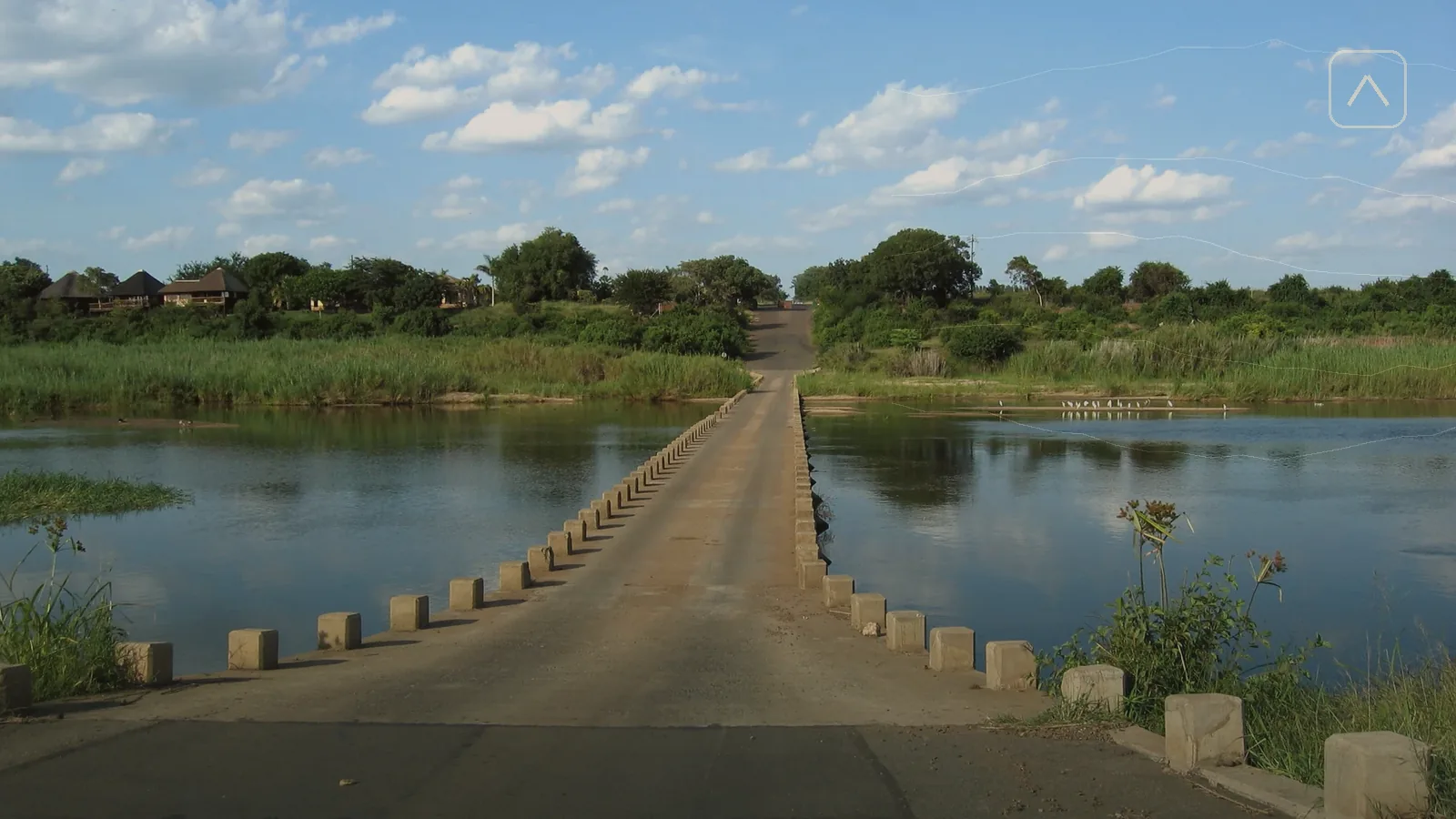
Heavy rain can affect gravel roads, low-water crossings and park access. Check SANParks notifications and obey closures. Never enter water of uncertain depth or drive around barriers. The route can wait.
Adjust wildlife searching for dense vegetation and water spread
When water is widely available, animals may not concentrate at the most famous permanent points. Slow down at fresh growth, drainage lines and open patches. Use ears as much as eyes; alarm calls and movement in foliage can reveal what the road view hides.
Photograph animals in their green context and accept partial views. The season is well suited to behaviour, young animals and birds. Do not push closer because branches interrupt a photograph. Concealment is part of the habitat.
- Visibility
- Shorter sight lines and more concealment
- Birding
- Migrants, breeding activity and abundant food
- Photography
- Green backgrounds, cloud and dramatic light
- Routes
- More weather-dependent and subject to closure
Make insects and malaria prevention routine rather than reactive
Use repellent, close screens and wear light long layers when practical. Keep food sealed and clean spills quickly. Switch off unnecessary exterior lights that attract insects, and shake out shoes without turning every small creature into a crisis.
Kruger is a malaria area and SANParks identifies the higher-risk period around the summer rainy season. Seek individual medical advice before travel and follow the layered prevention plan.
Design every summer day with an indoor version
A morning drive can become a shorter loop if rain intensifies. An outdoor braai can move to a covered cooking plan. A photography afternoon can become birding from the veranda. This flexibility keeps weather from controlling the mood.
Download entertainment for children, carry a deck of cards and buy food that can be prepared without elaborate exterior equipment. When the storm passes, wait for safe conditions and then enjoy the changed light and animal movement.
Use a summer day plan that can change within minutes
Begin with an early outdoor block, a shaded midday block and a flexible late block. The late plan should have three versions: a Kruger or local outing when conditions are stable, a covered-veranda option during light rain and a fully indoor plan during lightning or strong wind. Nobody then needs to negotiate the entire day while a storm approaches.
Keep footwear and a dry layer near the door, protect documents in a waterproof pouch and charge devices before expected weather. Store vehicle snacks where heat will not damage them. After heavy rain, inspect the immediate property access before assuming every road remains comfortable.
Summer also rewards spontaneity once conditions become safe. Frogs, insects, birds and fresh animal tracks can transform the area after rain. Step outside slowly, use a torch where appropriate and observe without handling unfamiliar creatures.
- Three weather versions of the afternoon prepared
- Documents protected from rain
- Devices charged before storms
- Road and notification checks repeated
- Post-rain wildlife observed without handling
Check before travelling
Official and practical planning links
Gate times, fees, road conditions, supplier availability and local operating details can change. Use these links as the final check before relying on any time-sensitive detail.
Quick clarifications
Frequently asked questions
When is the rainy season in Kruger?
SANParks describes the rainy season broadly as October to March. Conditions vary within the period.
Is wildlife harder to see in summer?
Thicker vegetation can reduce visibility, but animals remain present and the season adds young animals, dramatic skies and strong birding.
Does it rain all day?
Summer rain often arrives in storms rather than continuous daily rain, but patterns vary. Keep plans flexible and monitor current forecasts.
Is air-conditioning important?
For many visitors, reliable bedroom cooling or strong fans materially improves sleep and recovery during hot, humid periods.