The useful answer first
What you need to know
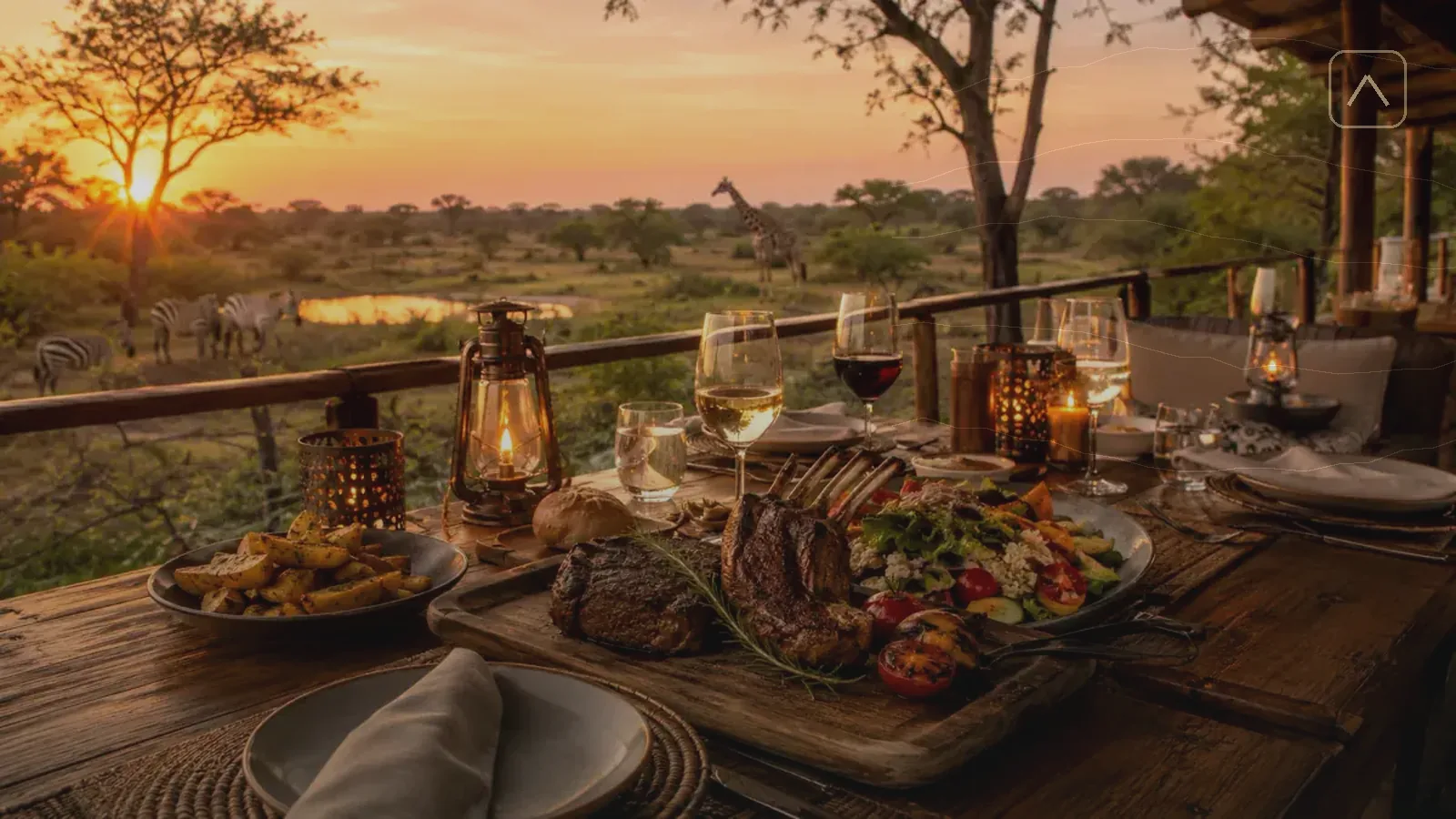
A good Marloth Park self-catering plan uses simple breakfasts, vehicle-ready snacks, two or three easy dinners and one or two local meals. Confirm the property’s cooking equipment, buy perishables close to arrival, store all food and refuse securely, and prepare before sunset. Keep the braai supervised, follow local fire instructions and never use food to attract wildlife closer to the house.
Plan meals by energy level, not culinary ambition
Dawn safari mornings need coffee, fruit, yoghurt, rusks, sandwiches or another breakfast that can be assembled quietly. Return afternoons suit a larger lunch and rest. Evenings can carry the braai, but not every night needs several meats, side dishes and a dessert.
Write a meal map before shopping. Identify the two dinners that matter, the meals eaten out and the nights that need leftovers or a quick pan. This prevents overbuying and protects time on the veranda.
| Moment | Practical option | Why it works |
|---|---|---|
| Dawn departure | Prepared coffee and breakfast box | No noisy kitchen delay |
| Return lunch | Salad, wraps or leftovers | Fast recovery after a drive |
| Braai night | One protein and two sides | Enough variety without overwork |
| Restaurant night | Local booking | Break from cooking and cleanup |
| Weather backup | Pasta, soup or pan meal | Works without an exterior fire |
Shop in two stages and keep the first trolley disciplined
Buy the first-night meal, breakfast basics, water, ice and the planned braai ingredients on arrival. Delay the second shop until you know how much the group actually eats and which equipment works. Large holiday houses often produce large quantities of waste because every person shops independently.
Assign one list and one buyer group. Check the property before purchasing charcoal, gas, foil or specialised tools. Support local suppliers, but confirm opening times and product availability rather than assuming a late shop will solve dinner.
- Drinking water and ice plan
- Breakfast for early departures
- Vehicle-safe snacks
- Two planned dinners and one backup meal
- Food-storage containers and rubbish bags
- Charcoal, wood or gas only after property confirmation
Prepare before sunset so the evening stays social
Chop, season and set the table while visibility is good. Keep raw and cooked food separate and use a clean plate for finished meat. Position lighting so the cook can see without flooding the wildlife area.
Supervise the fire from ignition until fully safe. Wind and dry conditions can change quickly. Follow property instructions and any local restrictions. Never dispose of hot ash in ordinary refuse or leave coals unattended while the group moves inside.
Keep food out of the wildlife relationship
Do not leave fruit, bread, pet food or scraps outside to create a close sighting. Feeding changes animal behaviour and can make homes, vehicles and people targets for future food searching. The photograph lasts seconds; the learned behaviour can last much longer.
Close doors and windows when the kitchen is unattended. Secure bins and remove leftovers from exterior tables immediately. Monkeys and baboons learn quickly and can open weak containers. Prevention is easier than trying to remove an animal from the house.
The most respectful wildlife meal is the one the wildlife never knows exists.
Confirm the kitchen and braai equipment before packing duplicates
Ask whether the property provides braai grids, tongs, cookware, sharp knives, a coffee method and suitable fridge or freezer capacity. Review recent property information, but verify anything essential directly.
Bring a cooler bag, reusable shopping bags, storage containers and one dependable bottle opener. Families may add familiar child cups. Avoid carrying a second kitchen unless the host confirms a genuine gap.
Use local meals to create variety and protect the holiday
One breakfast or dinner out can reset the group, reduce cleanup and introduce local businesses. Check current opening hours, reserve where necessary and decide transport before anyone drinks alcohol.
Balance paid meals with the accommodation you selected. If the house was chosen for the deck and kitchen, use them. If the group dislikes cooking, budget honestly for restaurants or catering rather than assuming enthusiasm will appear after a six-hour drive.
Use one household food system from arrival to departure
Choose one shelf or container for Kruger snacks, one for breakfast and one for shared treats. Label special dietary items and keep raw meat separate. This simple arrangement prevents repeated searching with doors open and reduces the chance that food is left where wildlife can reach it.
Create a nightly closing routine: leftovers cooled and stored, surfaces wiped, refuse secured, doors and windows checked, and the next breakfast assembled. Rotate the person responsible so the same traveller is not always cleaning after everyone else.
On departure morning, use or donate suitable unopened food through an agreed local channel rather than leaving perishables outside or placing an overloaded bin where animals can access it. Confirm the host’s refuse instructions.
- Food zones assigned on arrival
- Dietary items labelled
- Nightly kitchen closing routine followed
- Cleanup responsibility rotated
- Departure food and refuse handled correctly
Check before travelling
Official and practical planning links
Gate times, fees, road conditions, supplier availability and local operating details can change. Use these links as the final check before relying on any time-sensitive detail.
Quick clarifications
Frequently asked questions
Can we braai every night?
Yes if the property permits it and fire conditions are safe, but simple variety prevents one person from cooking throughout the holiday.
Should we bring all groceries from home?
Bring specialist essentials, but buying most fresh and bulky items locally is usually easier and supports nearby businesses.
How do we keep monkeys away from food?
Keep doors and windows closed when unattended, store food inside secure cupboards or the fridge, and never leave fruit, bread or refuse outside.
What if the weather changes?
Have one covered or indoor meal method that does not depend on an outdoor fire.