The useful answer first
What you need to know
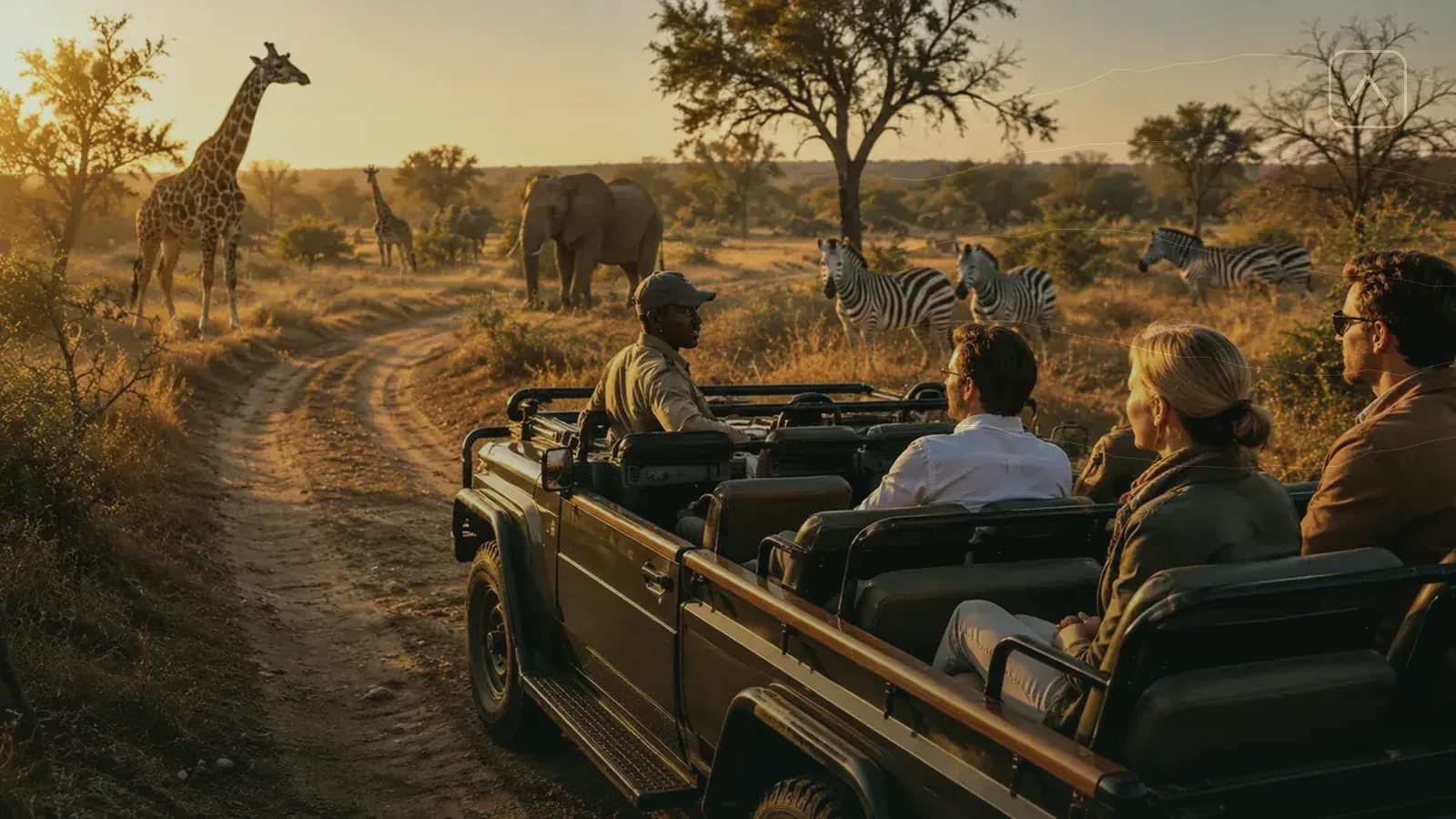
Better Kruger photographs come from preparation and observation more than expensive gear. Clean the windows, know the camera controls, use stable support, watch the light and anticipate behaviour. Position the vehicle without blocking others or pressuring wildlife, remain inside except at authorised places, and never use drones. Photograph the environment and interaction as well as close portraits so the story of the sighting survives.
Set up before the animal appears
A sighting is the wrong place to learn where the exposure control lives. Before entering, choose a default mode, test autofocus, set a sensible shutter speed and confirm that the memory card and battery are ready. Clean the lens and vehicle windows. Turn off disruptive sounds and bright focus lights.
Keep the camera accessible but secured. Loose lenses rolling across the seat distract the driver and collect dust. Use one main setup for most of the day rather than changing equipment beside an open window in wind and traffic.
- Battery charged and spare protected
- Memory card formatted after backup
- Lens cloth and soft brush
- Bean bag or stable window support
- Camera strap adjusted for vehicle use
- Date and time set correctly
Use light direction before chasing focal length
Early and late light can add shape and warmth, but the best position depends on the sun relative to the subject. Move only when the road and sighting allow. Sometimes a backlit elephant in dust tells a stronger story than a front-lit close-up.
Midday is not wasted. Use shade, reflections, graphic patterns and animal behaviour near water. Expose carefully for bright hides and dark shadows. If the light is harsh, widen the frame and use the landscape rather than forcing a portrait that will never look soft.
- Front light
- Clear detail and easier exposure
- Side light
- Texture, shape and depth
- Backlight
- Dust, rim light and atmosphere
- Overcast
- Soft detail and balanced colour
Watch behaviour long enough to predict the next second
Continuous shooting cannot replace anticipation. Observe ears, gaze, body tension and the relationship between animals. An elephant raising its trunk, a bird crouching before flight or a predator fixing its attention can signal action. Begin focusing before the decisive moment.
After capturing the obvious frame, wait. Interactions, grooming, drinking and movement often tell more than the first headshot. Photograph sequences sparingly and review later, not while the live behaviour continues in front of you.
The camera becomes faster when the photographer becomes more patient.
Position for a photograph without owning the sighting
Stop parallel where possible, leave the road open and switch off the engine if safe and considerate. Do not edge repeatedly toward an animal to fill the frame. A longer lens or wider composition is preferable to changing behaviour.
At busy sightings, take a reasonable turn and move on. Avoid raising equipment across another passenger’s face or leaning far outside. The driver’s visibility and vehicle control always outrank the image.
Build a complete visual story, not a folder of tight portraits
Include habitat, tracks, weather, camp life and the road itself. A wide frame shows scale and explains why the animal was difficult to see. Details such as feet in dust, a trunk handling grass or oxpeckers on a buffalo create variety.
Leave space in the direction of movement and avoid cutting joints awkwardly. Use clean backgrounds when possible, but accept branches as part of the environment. A perfectly isolated subject can look less truthful than an animal partially concealed in its real habitat.
- Take the record frame. Secure a clear image before experimenting.
- Change orientation. Make horizontal and vertical versions.
- Go wider. Include habitat and other animals.
- Wait for behaviour. Look for interaction or movement.
- Stop shooting. Spend part of the sighting simply watching.
Phone photography improves when you stop using digital zoom
Clean the lens, tap the animal for focus and hold the phone against a stable support. Use the widest practical camera and crop modestly later instead of stretching digital zoom until detail collapses. Short video clips can preserve sound and movement better than a distant still.
Avoid placing the phone outside the window or above the roof. A sudden animal movement or passing vehicle can cause injury and equipment loss. Keep location sharing general, especially for rhino.
Use a simple image workflow that protects the holiday and the files
At the end of each day, copy images to a second device or drive, but do not spend the whole evening editing. Mark only obvious favourites and failed frames, then return to the group. Detailed selection is easier at home on a larger screen. The bush holiday should not become a remote post-production job.
Keep location metadata and captions responsible. Avoid publishing real-time rhino positions or precise sensitive nest locations. When sharing other sightings, describe the broader region after leaving rather than encouraging a rush of vehicles to the exact point.
Back up before formatting cards, charge batteries in one designated area and protect equipment from curious wildlife by keeping doors and windows closed. A disciplined workflow reduces loss without demanding constant attention.
- Daily second copy created
- Only quick favourites marked on the trip
- Sensitive locations removed from public captions
- Charging area kept organised
- Cards formatted only after verified backup
Check before travelling
Official and practical planning links
Gate times, fees, road conditions, supplier availability and local operating details can change. Use these links as the final check before relying on any time-sensitive detail.
Quick clarifications
Frequently asked questions
What lens is best for Kruger?
A moderate telephoto zoom is versatile, while wider lenses capture animals in habitat. The best choice is equipment you can handle safely in the vehicle.
Can I use a drone for wildlife photography?
No. SANParks prohibits drones inside and over national parks.
Should I shoot through a closed window?
Open the window only when safe and appropriate. If it must remain closed, place the lens close to clean glass and avoid reflections.
Can I get out of the car for a better angle?
Only at authorised places. Never leave the vehicle on a park road for a photograph.